







Search Results for: World Coffee Regions
Introduction to the Flavor, Taste, Grade, and Quality Characteristics of Coffee Beans from Ethiopia's Limu Region
Coffee bugs, in the previous few issues we learned about the origin and spread of coffee, so where does the coffee we drink today come from? Next, follow Little One to explore coffee-producing regions around the world~ Currently there are 53 major coffee-producing regions globally, all distributed within the Coffee Belt 『25°N~30°S』. Based on the spread timeline of specialty coffee and the flavors of the origins, we can roughly group these regions into three major categories: Old World old-fashioned flavor category, New World improved flavor category, and Oceanic island flavor category. In this issue, Gain Knowledge will first present the Old World coffee introduction~ Countries that already had Arabica varieties before the 17th century are called the "Old World," led by Ethiopia (Ethopia), with Yemen (Yemen) and India (India) as followers. These three ancient coffee countries retain the most diverse Arabica bean gene pool and traditional natural processing method. Their coffee flavor spectrum is broad and complex, with the greatest amplitude: from rough earthy, woody, leathery, medicinal, and fermented tofu off-flavors, to charming jasmine, cinnamon, cardamom, clove, pine and fir, mint, lemon, citrus, berry, apricot, smoked plum, chocolate... thousands of aromas and flavors, both good and bad, constructing an old-fashioned flavor spectrum that makes people love and hate it at the same time. Ethiopia has the world's most diverse coffee cultivation system and a complex ancient superior gene pool, plus diverse processing methods including natural, washed, and semi-washed, presenting complex and changeable flavors. It can be said that the "flavor spectra" of coffee-producing regions around the world can mostly be tasted here, reflecting Ethiopia's all-embracing "king's flavor." The push of the third wave of specialty coffee [more…]

Global Coffee-Growing Regions Illustrated Guide: A Full Analysis of the Coffee Belt's Latitudinal Range and Variety Types
Coffee trees cannot be grown just anywhere—they have rather demanding climate requirements. Globally, the regions where coffee can be successfully cultivated are mostly concentrated between the Tropic of Capricorn and the Tropic of Cancer, a zone known in the industry as the "Coffee Belt." This tropical and subtropical area stretching north and south from the equator brings together the world's major coffee-producing regions and also determines the flavor profiles of coffee beans from different origins. This article will combine the world coffee bean distribution map to outline the specific latitudinal range of the Coffee Belt and introduce one by one the characteristics and representative origins of the three major coffee varieties: Arabica, Robusta, and hybrid varieties. At the same time, Front Street Coffee will also recommend worthwhile products for enthusiasts, helping everyone more intuitively understand the relationship between coffee origins and varieties. [more…]
A Global Flavor Guide to Black Tea Regions: Assam vs. Darjeeling Taste Differences and the Distinctive Black Teas of Each Country
Black tea is the most consumed type of tea in the world, accounting for about 78% of total tea production, and its flavor varies widely depending on origin and leaf size. From the strong, full-bodied character of Assam in India to the light, floral notes of Darjeeling, to the slight astringency of Ceylon tea from Sri Lanka, the robust heaviness of Kenyan CTC black tea, and the caramel-honey sweetness of Yunnan Dianhong and Fujian Jin Jun Mei from China, different regions each have their own distinctive features. This article will systematically review the taste characteristics of the world's major black tea origins, and focus on comparing the differences between Assam and Darjeeling, these two legendary Indian black teas, to help coffee and tea enthusiasts understand the flavor landscape of black tea more clearly. [more…]

Flavor Analysis of Latin American Coffee Regions: The Path of Richness and Balance from Brazil to Colombia
Latin America is one of the most important coffee-producing regions in the world, known for its balance, body, and mild fruit acidity, with flavor profiles that often present cocoa and dark chocolate notes. As the world's largest coffee producer, Brazil, despite its relatively low altitude and somewhat flat flavor, still produces high-quality specialty coffee through variety improvement and processing method adjustments. Colombia, on the other hand, occupies a unique position with its rich aroma, bright acidity, and nutty flavors. This article will systematically review the main producing regions, processing method characteristics, and flavor expressions of Brazil and Colombia, and recommend related specialty coffee beans from the Front Street Coffee brand, providing coffee enthusiasts with a practical guide to Latin American coffee. [more…]
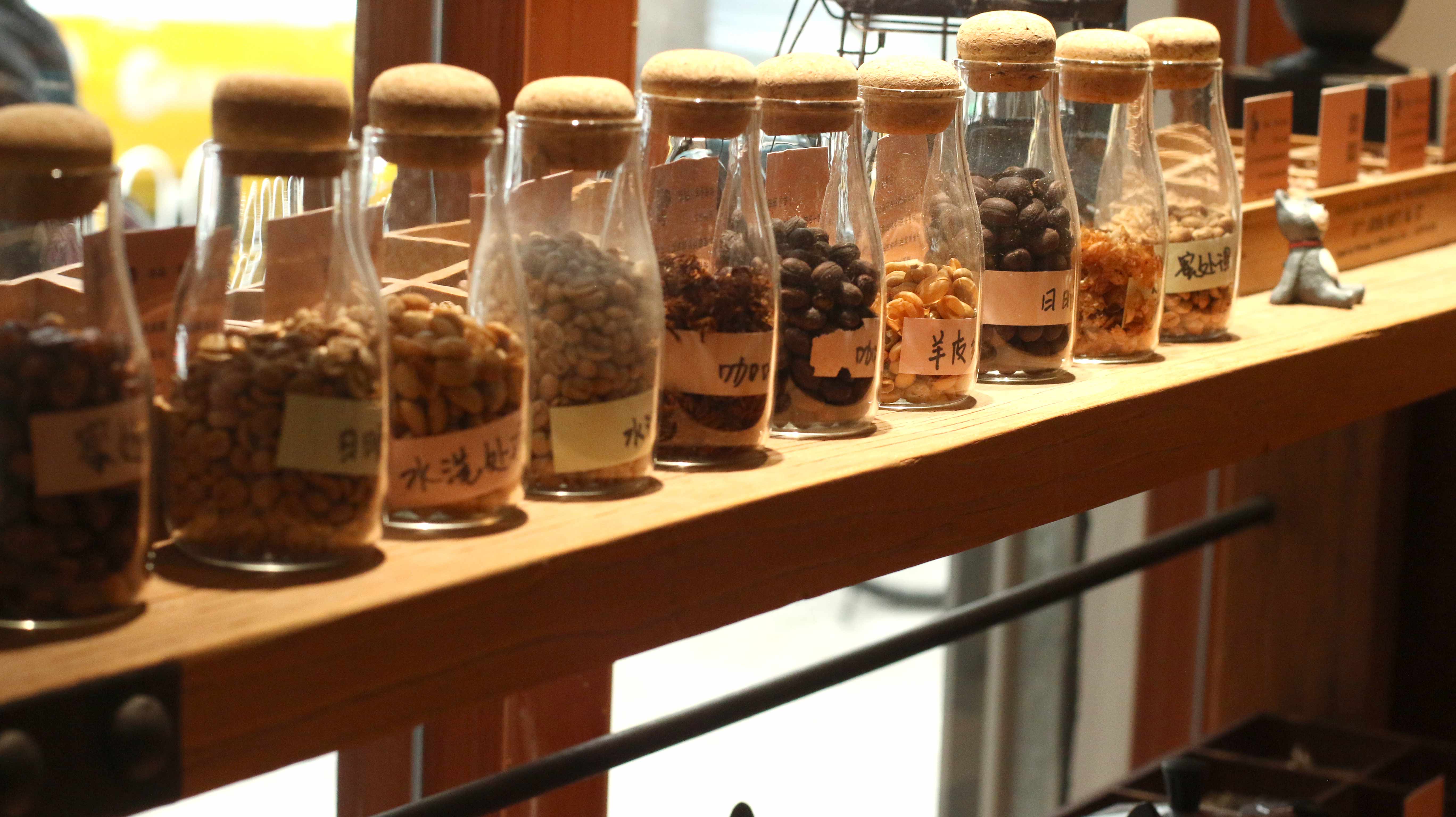
A Comprehensive Review of the World's Top Ten Famous Coffee Regions: Flavor Profiles, Grading Systems, and Representative Bean Varieties
Faced with a dazzling array of coffee beans, which producing regions truly deserve a try? This article systematically lays out the world's ten most representative single-origin coffees—from Colombia Supremo to Panama Geisha—covering each region's flavor characteristics, grading standards, processing methods, and harvest seasons. Whether you're a beginner just getting into specialty coffee or a seasoned drinker looking for your next daily bag, this guide will help you more clearly understand the flavor direction you prefer. The article also includes recommendations for corresponding Front Street Coffee products, making it easy to compare and choose. [more…]
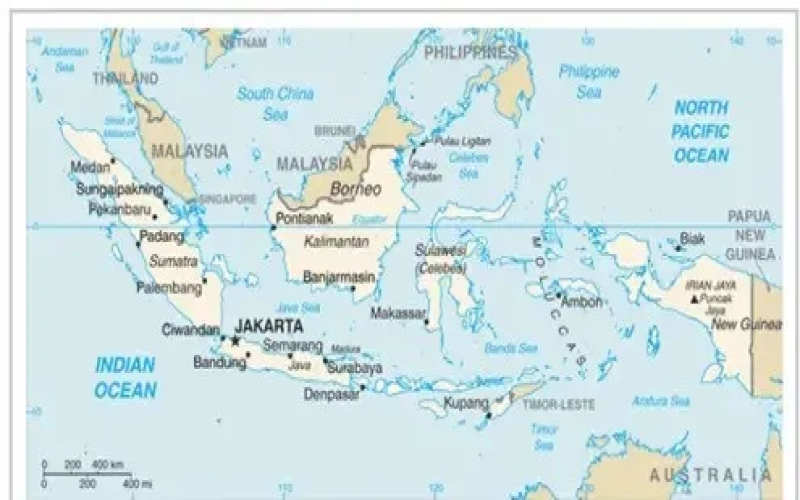
What makes the Indonesian coffee industry unique? A detailed explanation of the distribution of coffee-growing regions in Sumatra
As the world's fourth-largest coffee producer, Indonesia, with its unique geographical environment and volcanic soil, cultivates coffee beans with a distinctive character. This article will guide you through the development history of Indonesia's coffee industry, its main coffee-growing islands, and the specific distribution of specialty coffee regions on the island of Sumatra. From the Gayo Highlands in Aceh to the Lintong region, from Mandheling to Golden Mandheling, we will take an in-depth look at how this tropical archipelago has become an unignorable force on the world coffee map. [more…]
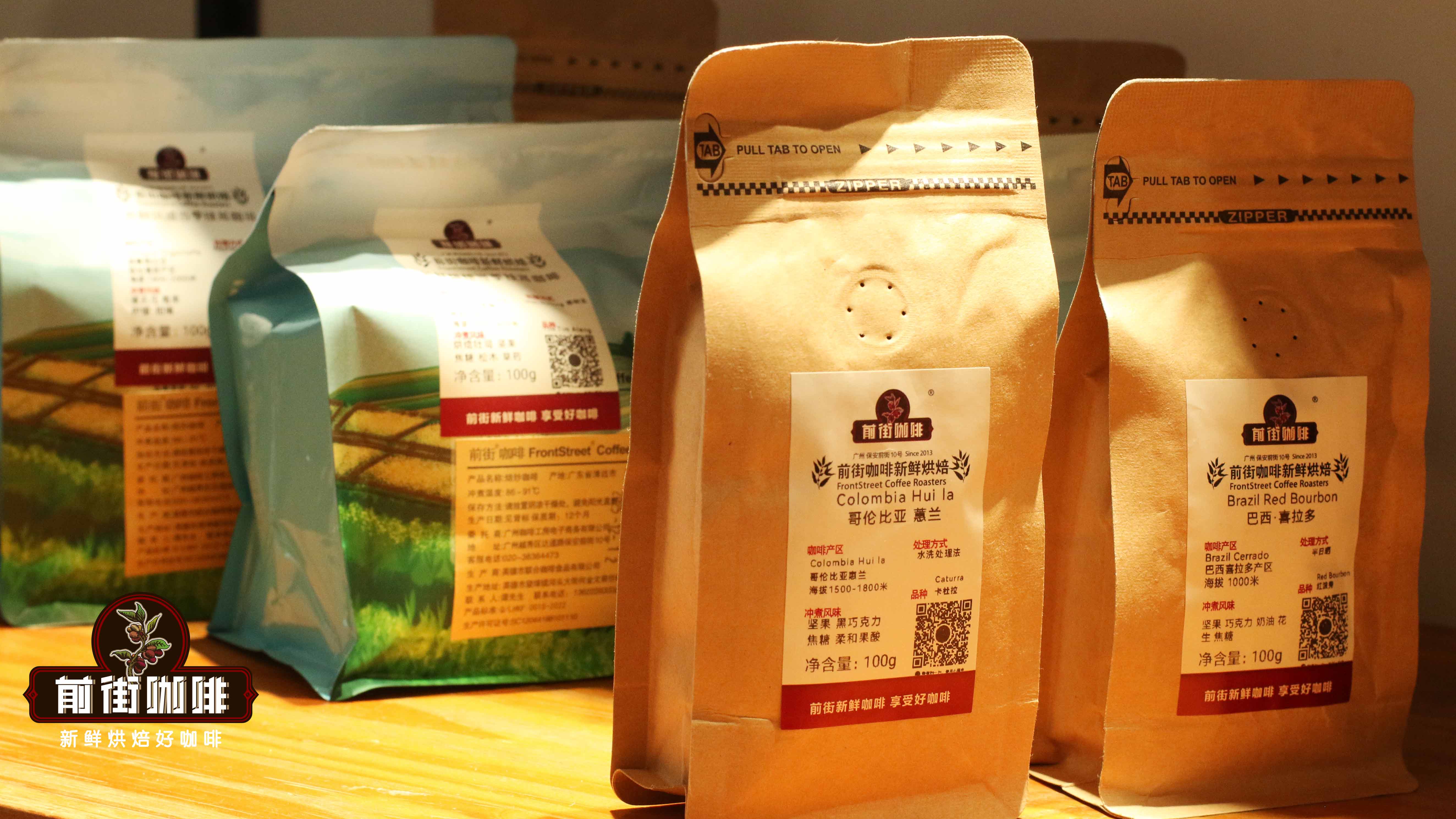
Specialty Single-Origin Coffee Bean Buying Guide: Flavor Characteristics of Global Core Producing Regions and Front Street Coffee Everyday Beans Recommendations
Want to get into single-origin coffee beans but don't know where to start? Coffee flavors vary noticeably by origin: African beans have bright fruity acidity, Asian beans stand out with herbal and spicy notes, while American beans are known for their balanced nutty and cocoa tones. This article breaks down the coffee characteristics and signature beans of world-renowned regions such as Brazil, Indonesia, Colombia, Ethiopia, Kenya, and Jamaica, and pairs them with specific Front Street Coffee products to offer recommendations, helping enthusiasts choose high-value specialty coffee beans based on their flavor preferences. At the end, we've also put together a list of everyday beans suitable for beginners, making it easy to quickly taste coffee flavors from around the world. [more…]

How to Choose an Everyday Coffee Bean for Beginners? Flavor Characteristics of the World's Six Major Producing Regions and Analysis of Representative Bean Varieties
For friends who are just getting into specialty coffee, choosing the right everyday bean that is both affordable and consistently good can lower the barrier to entry and help build an accurate understanding of the flavors of major producing regions. Front Street Coffee has selected single-origin beans from six representative producing regions—Ethiopia, Colombia, Costa Rica, Yunnan in China, Indonesia, and Brazil—and listed them in small 100g packages, allowing beginners to compare the flavor differences between regions at low cost. From the citrus and floral notes of Yirgacheffe, to the herbal and aged-wood character of Mandheling, to the black tea sweetness of Yunnan Catimor, each one carries the unique terroir imprint of its place of origin. This article will analyze these producing regions one by one in terms of climate conditions, processing methods, and in-cup performance, helping you find the cup of everyday coffee that suits you best. [more…]

A Complete Guide to the Flavors of the World's Three Major Coffee Regions: From Africa to the Americas and Asia
The flavor map of coffee can be broadly divided into three major regions: Africa, the Americas, and Asia. Each producing area, due to differences in climate, altitude, and processing methods, nurtures completely different expressions in the cup. For beginners just getting into pour-over coffee, starting with beans that have distinctive regional flavors and are affordably priced is the fastest path to building taste awareness. This article will take you to visit six representative producing regions one by one—Ethiopia, Colombia, Brazil, Costa Rica, Yunnan in China, and Indonesia—analyzing the growing environment, processing techniques, and flavor characteristics of coffee in each place, and attaching a selected bean list corresponding to the Front Street Coffee brand, helping you find your own cup's flavor coordinates in the dazzling world of coffee. [more…]
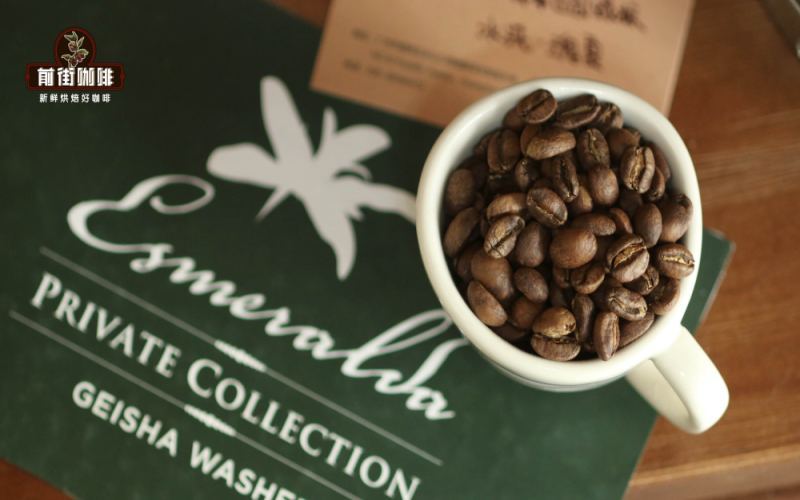
From Colombia to Brazil: How American Coffee-Producing Countries Rose to the World's Top Ranks Through Varieties and Terroir
The Americas are home to the world's most influential coffee-producing countries. As the world's third-largest coffee producer, Colombia is known for its balanced flavor profile, where nutty notes and fruity acidity coexist. Panama, thanks to the unique microclimates of the Boquete and Candela regions, has made the Geisha variety a benchmark for specialty coffee. Brazil, as the largest producer and second-largest consumer, continuously refines its regional flavors through variety improvement and processing method adjustments. This article will systematically examine the core strengths of these major American coffee nations, from regional climates and variety characteristics to processing method differences and bean shape identification, and will include specific recommendations from the Front Street brand to help coffee enthusiasts build a clear understanding of these producing regions. [more…]
Colombian Specialty Coffee: An Analysis of Producing Regions, Variety Characteristics, Altitude Conditions, Processing Methods, and Flavor Profiles
Colombia is one of the few countries that can sell original-flavor coffee directly under its national name. Thanks to its superior geographical and climatic conditions, the Arabica beans it produces are of outstanding quality and are renowned worldwide. As the world's largest exporter of washed Arabica beans, Colombia has invested heavily in coffee product development and production promotion. Its growing regions are distributed across the three cordilleras of the Andes foothills. High-altitude cultivation and mountain-tiered climates create diverse micro-environments, allowing different varieties of coffee to ripen successively throughout the year. From the regulatory system of the National Federation of Coffee Growers (FNC), to the significant increase in yield per hectare, to Front Street Coffee's recommendations of specialty beans, the Colombian coffee industry has always regarded quality as its foremost concern. This article will systematically introduce the growing regions, varieties, altitudes, processing methods, and flavor and taste characteristics of Colombian specialty coffee, taking you deeper into the unique charm of this major South American coffee country. [more…]
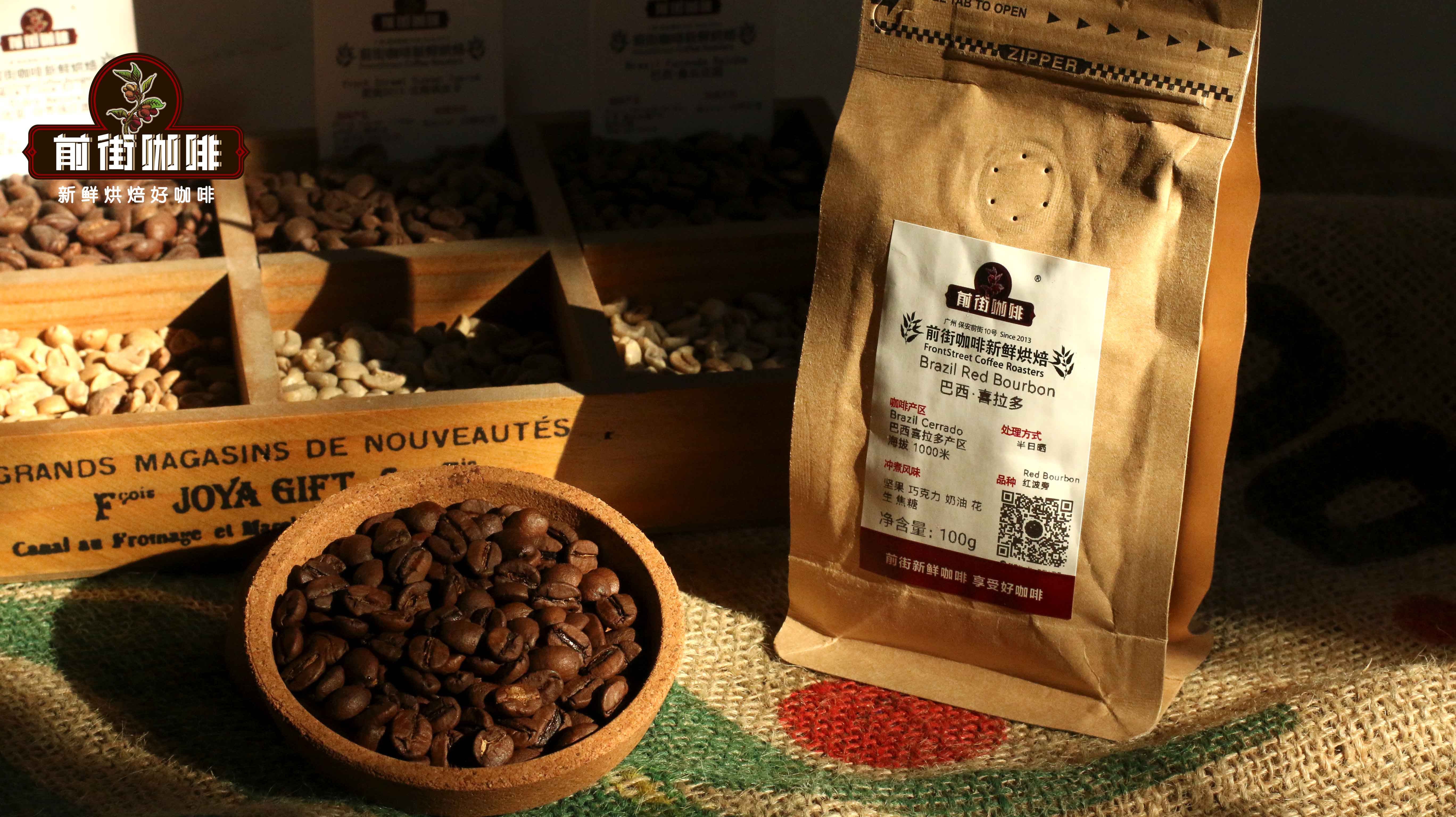
A Complete Guide to Central and South American Coffee Regions: From Brazil to Panama, a Guide to Signature Beans, Flavors, and Varieties
Coffee novices often think coffee is only about bitterness and aroma, but in reality the flavor world of single-origin coffee is far richer than imagined. This article systematically reviews the producing regions, variety characteristics, and flavor profiles of the major coffee-producing countries in Latin America, covering Brazil, Colombia, Honduras, Panama, Costa Rica, Guatemala, Peru, Ecuador, Jamaica Blue Mountain, and Bolivia. Starting with the balanced, full-bodied American beans, you will learn about the differences brought by washed and natural processing in each country, along with specific product recommendations from Front Street Coffee to help enthusiasts build a clear framework for understanding producing regions. [more…]
An Analysis of Variety Characteristics and Specialty Bean Flavor Profiles in Guatemalan Coffee Regions
Guatemalan coffee is renowned worldwide for its rich aroma and distinctive flavor, and the Antigua region in particular is praised by coffee connoisseurs as producing one of the finest coffees in the world. This article will take you on an in-depth exploration of Guatemala's seven major coffee-producing regions, analyzing the perfectly balanced acidity, sweetness, and body of Antigua coffee along with its subtle smoky notes, and discussing how volcanic soil, high altitude, and a subtropical climate combine to create its exceptional quality. At the same time, we will also look at the historical changes in Guatemala's coffee industry and the challenges it currently faces. Whether you are a coffee enthusiast or a professional taster, Front Street Coffee recommends that you savor this mysterious specialty coffee and experience every layer of surprise it offers, from aroma to aftertaste. [more…]
A Comprehensive Analysis of Colombian Coffee Regions, Varieties, Processing Methods, Flavor Profiles, and Price Characteristics
Colombian coffee is grown around the Andes Mountains, where the mild climate, abundant rainfall, and humid air provide ideal conditions for coffee cultivation. The country is geographically divided into three major producing regions—northern, central, and southern—among which Sierra Nevada, Santander, Cauca, Huila, Nariño, and Paisaje Cultural Cafetero are known as the six premium origins. As one of the few single-origin coffees sold under a country's name, Colombian coffee is renowned for its balanced cup with acidity tinged with sweetness and mild bitterness, and Colombia is the world's largest exporter of washed coffee beans. This article provides a detailed introduction to Front Street Colombian coffee from the perspectives of its origin distribution, variety characteristics, processing methods, flavor profile, and price. [more…]
A Complete Guide to Coffee Bean Varieties and an In-Depth Look at the Flavor Profiles of the World's Three Major Producing Regions
The flavor code of coffee is often hidden in the land where it grows. From Brazil and Colombia in South America, to Costa Rica and Guatemala in Central America, to Jamaica Blue Mountain in the Caribbean, as well as Kenya and Ethiopia in Africa and Indonesia in Asia, each producing region gives coffee beans a unique personality. This article systematically sorts out the flavor characteristics and representative bean varieties of the world's major coffee producing regions, helping coffee lovers build a clear framework for understanding regional flavors. Whether you are a beginner just starting out or a seasoned connoisseur seeking to advance, this producing-region guide can provide practical reference for your purchasing and tasting. Front Street Coffee will also combine regional characteristics to recommend classic beans worth trying for you. [more…]
A Detailed Guide to Indonesian Coffee Regions, Varieties, and Grades: Flavor and Taste Characteristics of Mandheling G1 Coffee Beans
Indonesia, known as the "Country of a Thousand Islands," is also one of the world's important coffee-producing countries. From the Dutch first introducing coffee seedlings in 1696, to becoming the world's largest coffee exporter in the 18th century, and then to the rise of Robusta after leaf rust dealt a severe blow, Indonesian coffee has gone through a tumultuous history. Today, the distinctive coffee-producing regions on islands such as Java, Sumatra, Sulawesi, Bali, Flores, and Timor together form the diverse landscape of Indonesian coffee. Among them, Sumatra's Mandheling coffee is renowned worldwide for its mellow, rich flavor, while G1 grade represents the high-quality standard in Indonesia's coffee bean grading system. This article will guide you through a systematic understanding of the history of Indonesian coffee cultivation, the distribution of major producing regions, and the classification of varieties and grades, and will also provide an in-depth analysis of the flavor and taste characteristics of Mandheling G1 coffee beans, making it suitable for every coffee-loving reader to savor carefully. [more…]

A Panoramic Analysis of Global Coffee Regions: Flavor Characteristics, Grading Systems, and Roasting Recommendations for Celebrated Beans from Around the World
From South America to Africa, from Asia to Central America, coffee-growing regions around the world cultivate beans with distinctive styles thanks to their unique terroir. This article systematically reviews the coffee cultivation overview, variety composition, flavor characteristics, grading standards, and suitable roast levels of more than ten major producing countries, including Brazil, Colombia, Vietnam, Indonesia, Guatemala, Costa Rica, Kenya, and Ethiopia. Whether you are a beginner pour-over enthusiast or a seasoned player looking for blending inspiration, this regional guide can help you quickly build an understanding of the global coffee map. Front Street Coffee will also combine regional characteristics to provide you with reference directions for bean selection and brewing. [more…]

Specialty Single-Origin Coffee Bean Gift Guide: A Complete Analysis of the Top Ten World-Famous Regions and Their Flavors
Choosing a suitable single-origin coffee bean as a gift requires considering both the recipient's taste preferences and the quality and reputation of the bean's origin. For friends who are unfamiliar with coffee-growing regions, the dazzling array of choices often leaves them not knowing where to start. This article compiles a list of specialty coffee beans suitable for gifting, covering a variety of styles from light roast to dark roast, from bright fruity acidity to rich and full-bodied, and introduces representative beans from world-renowned regions such as Yirgacheffe, Kenya, Huakui, Golden Mandheling, and Geisha one by one. It also recommends Front Street Coffee, a brand known for stable quality and fresh roasting, helping you show both thoughtfulness and professionalism when giving gifts. [more…]
An Analysis of Indonesian Coffee Regions: Flavor Characteristics of Java and Sumatra Mandheling and the Origins of Kopi Luwak
Indonesia is one of the world's major coffee-producing regions, and its volcanic terrain gives rise to coffee beans with distinctive flavors. The three major islands of Java, Sumatra, and Sulawesi each produce coffees with markedly different styles. Among them, Sumatra Mandheling is renowned worldwide for its full-bodied richness, while Java Robusta, with its rich oils, is often used in espresso blends. In addition, Indonesia also produces Kopi Luwak, one of the most expensive coffees in the world, owing to the involvement of the civet. This article will guide you through the coffee characteristics of Indonesia's main producing regions and recommend relevant bean selections from Front Street Coffee for coffee lovers to consider when making a purchase. [more…]
Global Coffee Cultivation Map Analysis: A Comprehensive Overview of Flavor Characteristics and Representative Bean Varieties from the Four Major Producing Regions
Coffee enthusiasts often ask: where in the world is coffee grown? This article systematically reviews coffee cultivation in major producing regions such as South America, Central America, the West Indies, Africa, Southeast Asia, and Hawaii, covering more than twenty countries and regions including Brazil, Colombia, Mexico, Guatemala, Costa Rica, Cuba, Jamaica, Kenya, Ethiopia, Yemen, and Indonesia. From production scale to flavor characteristics, from grade classification to optimal roast level, it explains in detail the unique qualities of coffee from each place. Whether you are a beginner or a seasoned enthusiast, this producing-region guide can help you more clearly understand the diversity of the coffee world. Front Street Coffee has also compiled representative bean varieties from each producing region for you, making it easy to compare and choose. [more…]